


2 min read
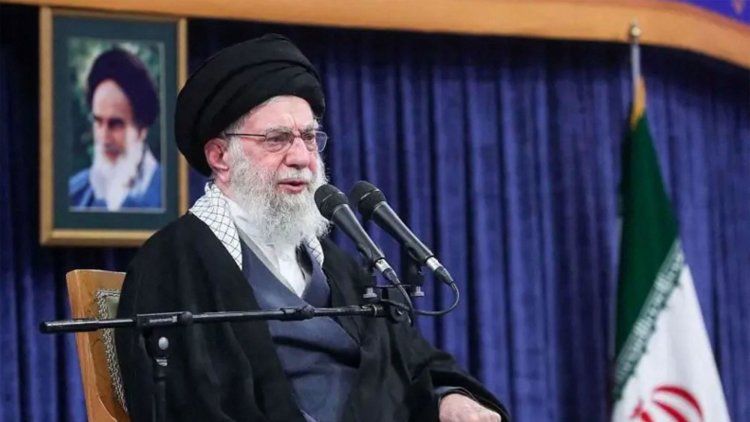
Iran’s Supreme Leader Ayatollah Ali Khamenei has been killed in a coordinated United States and Israeli military offensive.
Defence Secretary John Healey warned that Iran was “lashing out in an increasingly indiscriminate and widespread way” with retaliatory strikes that had endangered British forces and allies in the region.
The 86-year-old Ayatollah, who had ruled Iran since 1989, died on Saturday when precision missiles and aircraft struck his fortified Tehran compound as part of the joint assault targeting more than 500 military and strategic sites across the country.
U.S. President Donald Trump publicly announced the leader’s death, describing Khamenei as “one of the most evil people in history” and branding the operation as a decisive blow against what he called a “source of terror”, vowing that strikes would continue until U.S. objectives were met.
The Islamic Revolutionary Guard Corps (IRGC) vowed to “take a different and tough step of revenge” after promising to conduct “the most devastating offensive” in Iranian history.
Iran has retaliated with ballistic missile and drone attacks on U.S. military positions in the Gulf and infrastructure in allied states, while air-defence systems have been activated across the region. Explosions have been detected over Dubai, Doha, Bahrain, Iraq and Israel.
Healey said that “few people will mourn” Khamenei’s death, describing the Iranian regime as “a source of evil” responsible for internal repression and the export of terror, including threats to the UK.
Speaking to the BBC’s Laura Kussenberg, Healey said Britain is “on top of what’s necessary to keep [the public] safe, to reinforce regional stability, to prevent further escalation”. He refused to say if Britain could join the US-Israeli offensive.
Prime Minister Keir Starmer reaffirmed that Britain was not involved in the U.S.-Israeli strikes, condemning Iran’s retaliatory attacks he urged Tehran to “refrain from indiscriminate military strikes” and to return to diplomatic negotiations.
Starmer also spoke with President Trump on Saturday, discussing the unfolding crisis and clarifying the UK position on defensive operations in the Middle East. Both agreed that Iran must never be able to develop a nuclear weapon, reiterated the need to work closely amongst allies and partners to improve regional security.
British aircraft have been deployed for protective missions, but the Prime Minister reaffirmed that the UK was not a party to the offensive that killed Khamenei, emphasising international law and the need to avoid wider conflict.